
Pastured Poultry
There's a lot of confusion for customers when evaluating supermarket claims for Poultry Products: Organic, Free Range, Cage Free, Natural, Farm Fresh, etc. All Natural Farm Fresh eggs sound nice, but they likely come from the worst industrial factory farm. Similarly, paying a premium for Organic Cage-free eggs may not give you what you are looking for; almost all organic eggs in the supermarket will come from factory chickens floor raised in giant sheds - never going outdoors, and certainly not eating the forage and bugs that provide the real health benefits to eggs.
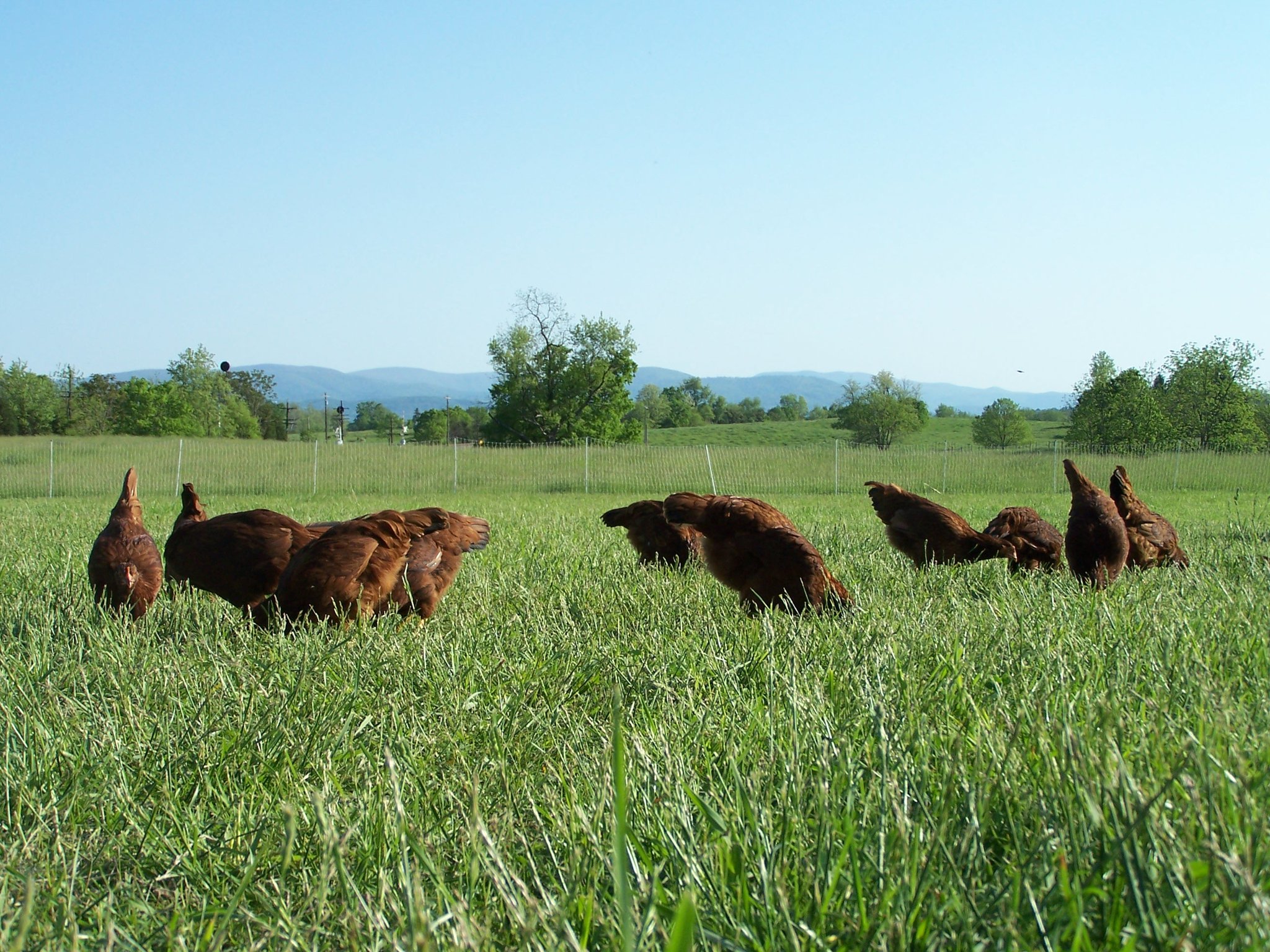
NVPG offers Pastured Chickens (flock management) that are fed Forage and Organic grains (feed). Only Pasture raised chickens should truly be considered organic, and only by access to pasture do the chickens and eggs gain the health benefits research has shown (see below). Since these eggs require the most intensive management, they are the rarest of eggs in the conventional distribution system.
Flock Management:
Pastured
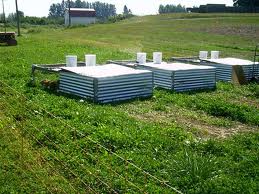
Birds that are managed on Pasture are the best and most rare; they are either Free-ranged in open housing, or housed in large mobile pens that are moved around the fields.
Free-range or Cage-free
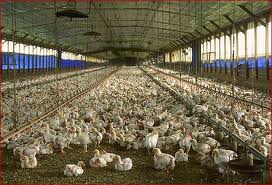
This is a trickier category because most birds that are labeled Free-range are really just cage-free with some access to the outdoors... in this method thousands of birds are floor raised in a large building - sometimes with nominal access to the outside. This is better than caged, but fundamentally the birds are not nutritionally different from caged production.
Conventional: Confined / Battery
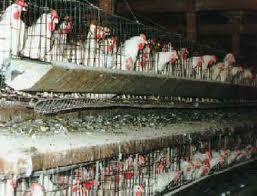
In the worst case, the birds are raised in confined grow-out cages; this method is principally practiced by the Egg industry where birds are kept in battery cages too small and crowded for them to extend their wings or roost.
Feed:
Forage
Feed derived from pastures: Grass, Forbs, clover, weeds, seeds, bugs, etc.
Organic
Certified Organic Feed: must be non-GMO and farmed without pesticides and herbicides.
There is a secondary requirement that all animals must have "access" to the outdoors... there is considerable debate about what constitutes "access" with large industrial organic arguing for enclosed "porches." The Cornucopia Institute publised a very thorough report on the abuses of industrial organic.
Conventional: Natural or Farm Fresh
Meaningless terms... most often they will be associated with large factory products and will use standard feed (farmed with pesticides and herbicides).
Health Benefits of Pastured Eggs:
Recent testing by Mother Earth News finds that, compared to official U.S. Department of Agriculture (USDA) nutrient data for commercial eggs, eggs from hens raised on pasture may contain:
More
- 66% more vitamin A
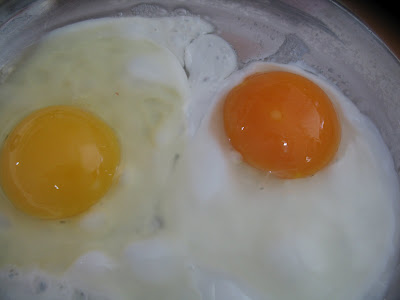
- 200% more omega-3 fatty acids
- 300% more vitamin E
- 600% more vitamin D
- 700% more beta carotene
Less
- 33% less cholesterol
- 25% less saturated fat
About Egg Grades:
The US Department of Agriculture grades eggs by the interior quality of the egg and the appearance and condition of the egg shell. Eggs of any quality grade may differ in weight (size).
- U.S. Grade AA eggs have whites that are thick and firm; yolks that are high, round, and practically free from defects; and clean, unbroken shells. Grade AA and Grade A eggs are best for frying and poaching, where appearance is important.
- U.S. Grade A eggs have characteristics of Grade AA eggs except the whites are "reasonably" firm. This is the quality most often sold in stores.
- U.S. Grade B eggs have whites that may be thinner and yolks that may be wider and flatter than eggs of higher grades. The shells must be unbroken, but may show slight stains. This quality is seldom found in retail stores because they are usually used to make liquid, frozen, and dried egg products, as well as other egg-containing products.
Most all Pastured eggs will be U.S. Grade AA primarily owing to freshness.